



July 7, 2026
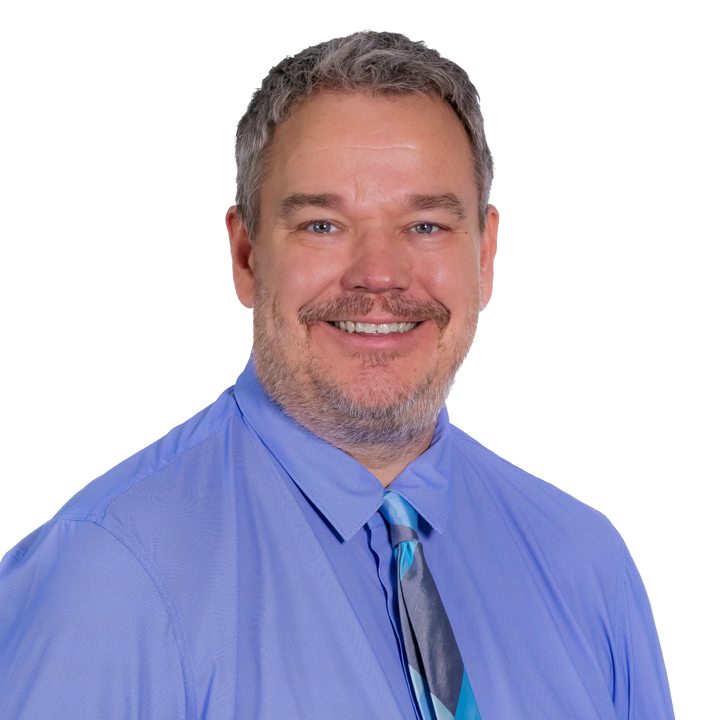
I have spent most of my adult life on Cleveland’s Westside, where relationships mattered. It was the type of community where neighbors knew each other. Coaches knew your parents. Teachers knew your siblings. There was always someone available to look out for you and so, if someone was struggling, people stepped up.
That sense of community and connection became a huge inspiration to me as I set out on my journey to become a medical doctor.
From a young age, I knew I wanted to help people. Family medicine felt like the clearest path to do that because it was personal. It meant walking alongside people through every chapter of life: childhood illnesses, new diagnoses, pregnancies, loss, aging, and everything in between.
At its best, family medicine is built on continuity. Yet I quickly came to realize that continuity is disappearing.
Across healthcare today, medicine has become increasingly transactional. Patients bounce between urgent care centers, specialists, telehealth apps, and overbooked primary care offices. Physicians are pushed to see more and more patients in less and less time. Fifteen-minute appointments have become the norm. Sometimes less.
The result is a system focused on volume, not relationships. And I think about how that impacts the residents of the Westside, the people that I grew up with, who cared for me, and vice versa.
A doctor who truly knows you doesn’t just know your medication list. They know your story. They remember when your father died, when your anxiety first started, when your child was struggling in school, or when your blood pressure began creeping up during a stressful season of life. They are uniquely equipped to see patterns and recognize subtle changes and allow for that context to help make the best decision possible on your behalf.
That kind of care can’t be rushed and it certainly can’t be replicated by a revolving door of providers.
Like many people, I’ve had my own battles. I’ve struggled with depression and anxiety. There were seasons in my life where simply getting through the day felt overwhelming. Those experiences changed me. They gave me a profound sense of empathy. I learned that healing is a long road and that sometimes what people need most is not a prescription, but someone willing to listen without looking at the clock.
Then this past April, my family experienced a house fire, which nearly destroyed our home in North Ridgeville.
In an instant, our sense of normalcy was turned upside down. The practical losses were significant, but what struck me most was how fragile life can feel. How quickly stability can disappear. And how much it matters to have people around you—family, friends, community— who help carry you through.
It reinforced something I’ve always believed: people need anchors. In healthcare, a trusted primary care doctor can be one of those anchors. But you can't anchor anyone while racing the clock. If I was going to practice the kind of medicine I believed in, something had to change.
That's why, even as we were still putting our own lives back together, I went ahead and opened my private family medicine practice in Westlake this June with MDVIP.
The MDVIP model allows me to slow down and practice medicine the way I believe patients deserve. I can offer longer appointments, maintain better availability, have deeper conversations, and perhaps the most important of all, practice preventive care, not just reactive care.
People hear about a “membership-model" and think of exclusivity and exclusion. But it’s more
about restoring what many patients and physicians alike feel has been lost.
Healthcare should not feel like an assembly line. It should feel like an extension of community.
The Westside taught me that showing up for people matters. It taught me resilience and the importance of relationships that endure through hardship. Those lessons carried me through my own struggles, and they continue to shape how I care for others.
And here on the Westside, I’m committed to fighting to keep it alive, one patient, one family, and one relationship at a time.
Dr. Kurtis Dornan is an MDVIP-affiliated physician practicing in Westlake, OH, and is now accepting new patients.
Learn more about him: https://www.mdvip.com/doctors/kurtisdornanmd.


.jpg)
.jpg)
